
AD
Acne scars are a common concern for many Singaporeans, especially given the country’s humid climate and intense sun exposure. Dermatologists say the most frequent types of scars are atrophic, or depressed, forming pits and indentations on the skin. These typically fall into three main categories:
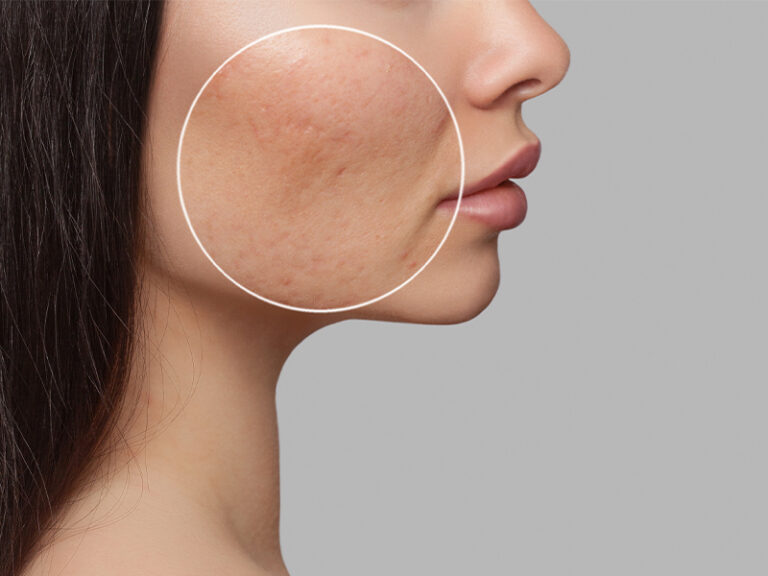
Ice-pick scars are narrow, deep pits resembling small puncture marks, often from severe breakouts. Boxcar scars appear as broader, rectangular depressions with well-defined edges. Rolling scars create wave-like skin textures due to fibrous tissue beneath the surface.
Many individuals experience a mix of these scar types, often alongside enlarged pores, rough skin texture, or dark marks left by inflammation. Raised scars, such as hypertrophic or keloid scars, are less common but occur more frequently in certain skin types.
Why acne scars can be more challenging in Singapore The tropical climate plays a significant role in scar formation. High humidity increases oil production and bacterial growth, which can worsen breakouts and delay skin recovery. Meanwhile, UV exposure, even indoors near windows, can darken scars, making them more visible—particularly for medium to darker skin tones. Age and skin type also influence healing: younger skin tends to recover faster, while older skin may show scars more prominently due to slower collagen production.
Two leading acne scar treatments available locally For Singaporeans looking to improve skin texture and fade scars, two treatments stand out: radiofrequency microneedling and fractional CO2 lasers.
Radiofrequency (RF) microneedling uses devices like Morpheus8 to create tiny channels in the deeper skin layers, delivering heat that stimulates collagen production and remodels scar tissue with minimal surface damage. It is particularly effective for mild to moderate scars, darker skin tones, and those seeking minimal downtime—redness or swelling usually lasts only one to three days.
Fractional CO2 lasers work by creating microscopic controlled injuries to the skin’s surface, removing damaged tissue and promoting strong collagen growth. This method is ideal for deeper scars or significant surface texture issues. Downtime is longer—typically five to ten days—with possible redness, peeling, or crusting. Lighter skin tones often see the best results.
Combining treatments for optimal results For those with mixed scar types, dermatologists often recommend a layered approach. Starting with RF microneedling to improve deeper skin structure, followed by fractional CO2 laser for surface refinement, addresses scars at multiple depths while minimizing overall risk and downtime. Treatment plans are typically tailored based on scar type, skin response, and lifestyle considerations.
Risks and post-treatment care While generally safe under professional care, side effects vary. RF microneedling may cause mild redness, swelling, or pinpoint bleeding, resolving in a few days. Fractional CO2 lasers involve longer recovery and higher risks of temporary pigmentation changes, which can be managed with proper pre- and post-care. Sun protection is essential for both procedures to prevent darkening of scars.
Simple steps to support clearer skin Beyond professional treatments, several everyday measures can improve skin health:
Use gentle cleansers and non-comedogenic moisturisers.
Apply broad-spectrum SPF 50+ daily.
Consider topical ingredients like retinoids or vitamin C for gradual texture improvement.
Avoid picking or squeezing pimples to prevent new scars.
Maintain a balanced diet, stay hydrated, and manage stress.
Consult a dermatologist early to prevent severe scarring.
With the right combination of professional care and consistent daily skin routines, Singaporeans can see meaningful improvement in acne scars, smoother skin texture, and restored confidence.


The Inspiring Journey of Blood Donation Advocates
How many times have you donated blood?

Renting an HDB Flat in Singapore: A Renter's Guide

Renovation Prices: BTO Vs Resale

New Year time travel: Flights which took off in 2026 and landed in 2025
Air travel may be a flex for some, but few can claim the flex of "time travelling" with flights.

Singapore Phases Out Gifted Education Programme, Rolls Out Advanced Learning Modules in 15 Schools
With this change, Singapore aims to provide broader access to students with specific talents, offering flexible learning opportunities that encourage deeper exploration in areas of strength while maintaining a supportive, school-based environment.

How much does an MRI really cost? A breakdown of scan prices and subsidies

Adult acne is real, but there are ways to treat it. Here's what to know

'I couldn't slow things down': Singaporean shares her burnout experience during festive season
The festive season is the most wonderful time of the year for many in Singapore, but quite the opposite for some.

Cost of living in Singapore 2026: How much more are you paying due to high oil prices?
Overall, the 2026 cost of living trend in Singapore reflects how global energy markets directly influence daily life. Even events happening far away can affect everything from transportation and groceries to utilities and travel, making financial planning more important than ever for households.

Modern Contemporary Design Singapore: 2026 Guide for HDB and Condo Homes

Say Goodbye to Sagging Skin: Non-Surgical Solutions Gain Popularity

Anti-Ageing Treatments & Facials Singapore 2026: What Really Works for Wrinkles


